
Portable Gauge Quick Reference Guide
Your guide to compliance in the field
Portable Gauge Quick Reference Guide (PDF)
Important information to keep you on hand:
- Radiation Safety Officer’s (RSO’s) name and 24-hour phone number
- CNSC 24-hour duty officer phone number: 613-995-0479 or toll free 1-844-879-0805
Required documents
- A valid TDG training certificate for Class 7
- A properly completed shipping document
- Emergency procedures
- Complete copy of current CNSC licence
Required device labelling
- Name or job title of person to contact
- 24-hour phone number
- Source details
- Radiation warning symbol
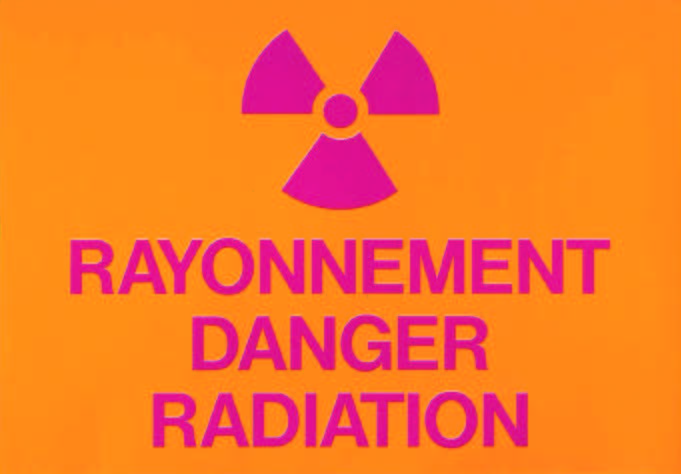
Package marking and labelling
- Markings:
- Shipping name
- UN Number
- Consignor ID
- Specification mark "Type A"
- Name of package manufacturer
- Country of manufacturer (VRI code)
- Class 7 category label on opposite sides of the package – each label must include the radioactive contents, activity and transport index (TI)
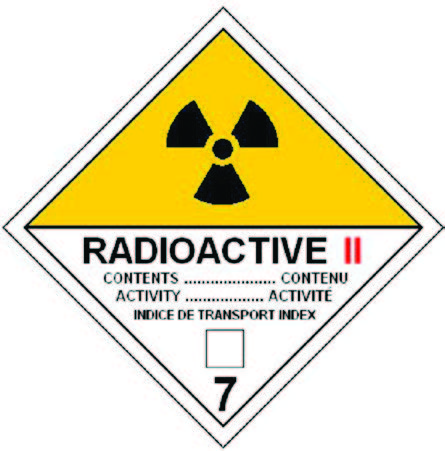
Device security
- The portable gauge must be either under the constant surveillance of a worker, or secured in a transport vehicle or at the storage location
- Verify the structural integrity of the Type A package
Notify the CNSC duty officer immediately of any reportable incident, including any of the following:
- lost, stolen or missing gauges
- damaged gauge impairing normal use
- transport accidents involving a gauge
- gauge with a stuck/open shutter
A full written report must also be submitted to the CNSC within 21 days.
Radiation Protection
Remember the ALARA principle: As low as reasonably achievable
Minimize your exposure by decreasing time, increasing distance and making use of shielding:
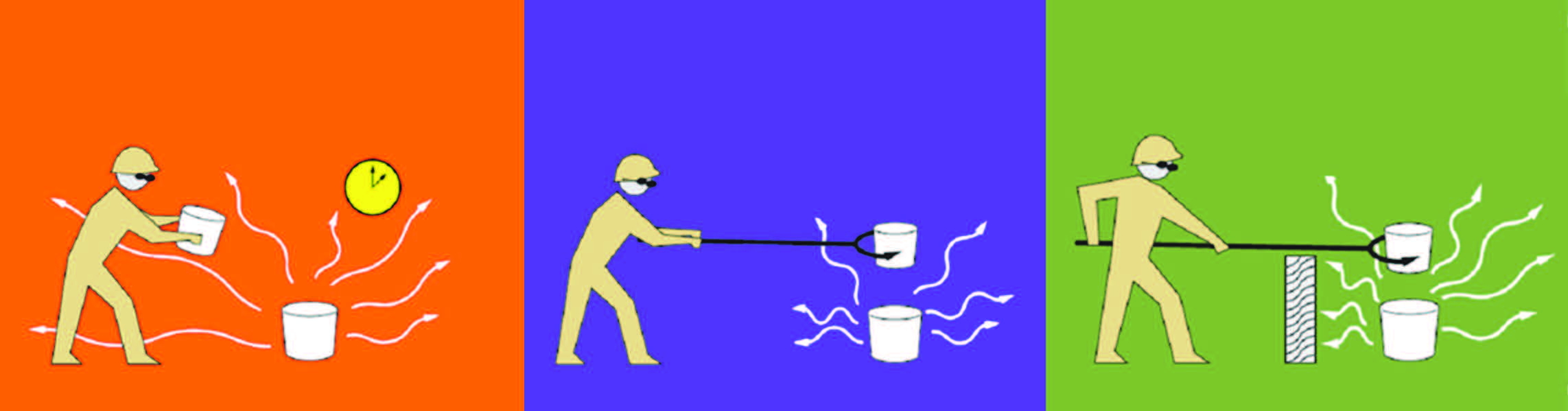
| Time: | Distances: | Shielding: |
|---|---|---|
| Minimize time by planning your actions. | Minimize distance by staying away from the gauge as much as possible. | Incorporate shielding wehnever possible. |
Always ensure the gauge shutter is fully closed before transporting:
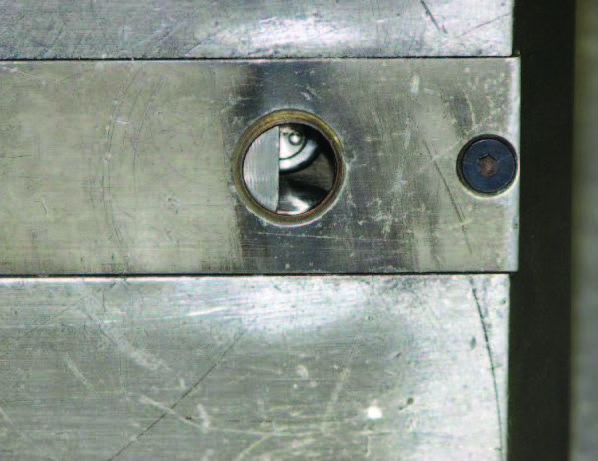
If the shutter is open - do not transport
Best practice:
To avoid unnecessary exposure, use a radiation survey meter to confirm that the shutter is fully closed.
Ascertaining radiation doses
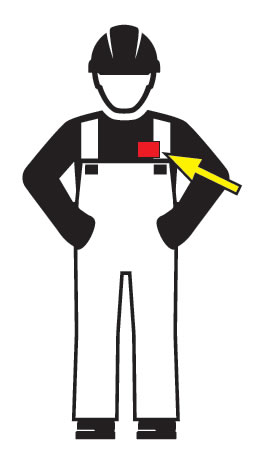
- Wear your whole-body dosimeter (between the neck and waist) if you assigned one
- Log every shot (practice and real) to calculate dose
- 1 shot = approximately 1.2 microsievert (µSv) of dose
| Incident response checklist |
|---|
| Set a safe perimeter of 2 m and keep people away from the gauge |
| Inform the appropriate person(s) immediately |
| Initiate your emergency procedures |
Page details
- Date modified: