
Monica Hornof
Director
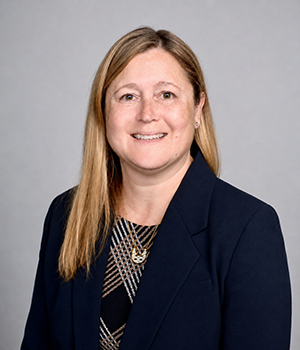
Monica Hornof
Director
Engineering Design Assessment Division
Location
CNSC headquarters, Ottawa
Associations
- Women in STEM
Expertise
- Engineering design assessment
- International affairs
- Licensing
- Nuclear safety assessment
- Power reactor regulation
- Regulatory framework
Professional biography
Monica has worked at the Canadian Nuclear Safety Commission (CNSC) since 2005. As Director of the Engineering Design Assessment Division, she leads a multidisciplinary team that supports the regulation of nuclear power plants and helps ensure that licensee programs and activities remain within the scope of their licensing basis.
Expertise and education
Her academic background includes a chemical engineering degree from the University of Ottawa and a graduate diploma in international nuclear law from the Université de Montpellier in France. She is a licensed professional engineer with expertise in engineering design assessment; licensing and compliance, including the application of the CNSC regulatory framework; and international nuclear regulation.
Roles and responsibilities
In her role, Monica leads work that supports the technical review of engineering design matters for nuclear power plants. She has also held several other regulatory and leadership roles at the CNSC, including acting director of the Bruce Regulatory Program Division, senior regulatory program officer, and head of the Commission Technical Support team. Her experience includes engineering design of nuclear facilities, licensing and compliance, Commission processes, and licensee and interested-party cooperation. Monica is also committed to engagement with Indigenous Nations and communities.
Other highlights
Monica is committed to the mentoring and coaching of young engineers and women in science, technology, engineering and mathematics (STEM), and has previously co-chaired the CNSC Women in STEM Network and participated in the CNSC mentorship program. Monica is passionate about modernizing processes using new IT tools to drive regulatory efficiency in her current role. She also helped lead the development and implementation of guidelines for virtual Commission proceedings during the COVID-19 pandemic, supporting the modernization of Commission work in virtual environments.
Page details
- Date modified: